

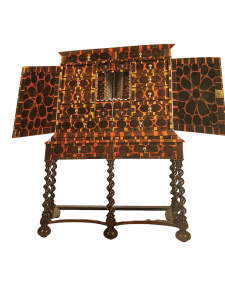
Late 17 century chest with oysters of lignum vitae and tortoiseshell drawers.
The 17th century is a period of history that is often overlooked for its art and furniture. This era witnessed some of the most stylish furniture pieces ever made. From grand dining tables to exquisite occasional tables, 17th-century furniture is an absolute delight to behold. Its timeless beauty and intricate details have been appreciated and admired by generations. Not only was it highly functional and practical, but its charm continues to attract viewers to this day. This blog post will take a closer look at some of the key features and styles of 17th-century furniture. From the construction techniques to the materials used and the ornate embellishments, all will be discussed in depth. In addition, we will also show some of the world’s most coveted pieces of 17th-century furniture which have been preserved and restored in major museums around the world. The blog post will also focus on some of the furniture makers of the period whose creative genius and craftsmanship contributed to the beauty of the furniture. So, if you’re fascinated by the golden age of furniture or just appreciate great craftsmanship, then join us as we explore the wonderful world of 17th-century furniture. Get ready to be captivated by the grandeur of the era as we take a closer look at the timeless beauty of furniture that has stood the test of time.
Influences on 17th-Century Furniture Design
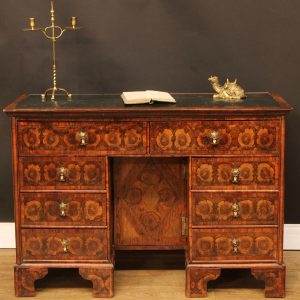
William and Mary Kneehole desk with oyster veneer laburnum
The furniture of the 17th century was heavily influenced by a variety of different sources. One of the key influences was the Renaissance period which was marked by the revival of classical forms and styles. This is evidenced in the ornate and intricate details found in the furniture of the period. Another influence was the Baroque style which was characterized by a heavy, ornate look. The pieces from this period typically featured lavish gilding and carved details.17th-century furniture was also influenced by the decorative arts of the period. This included the use of high-quality materials such as gold, ivory, and wood to create furniture that was highly decorative. Moreover, the furniture was often adorned with intricate carvings, paintings, and inlay work. Silk, velvet, and tapestries were also popular materials used for upholstering furniture. The furniture of the 17th century was also shaped by cultural influences. In France, furniture was much grander and more elaborate than in England. This was due to the fact that France had a more affluent and aristocratic culture than England and had more resources to devote to luxury items.In addition to these influences, the furniture of the 17th century was also shaped by the political and social climates of the period. During this time, Europe was in the midst of a period of great upheaval as various wars were fought throughout the continent. This had a profound effect on the furniture of the period, as many pieces were designed to serve a practical purpose.
Defining Features of 17th-Century Furniture
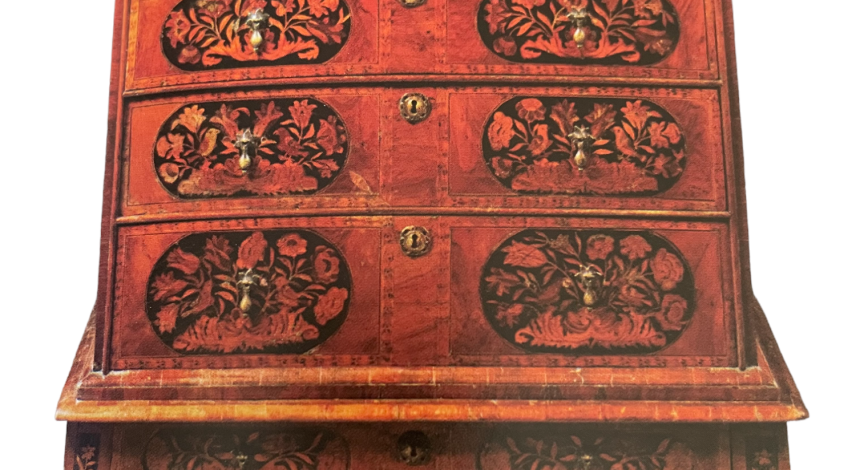
William and Mary Walnut marquetry chest on stand
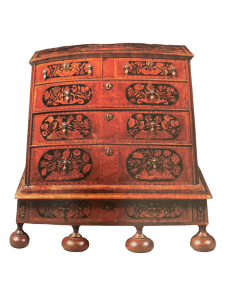 William and Mary Walnut marquetry chest on stand
The furniture of the 17th century is characterized by its intricate details and lavish materials. The pieces typically featured a variety of different woods, including laburnum walnut, oak, and mahogany. In addition, many of the pieces were decorated with gilding, carving, inlay, and other decorative elements. The furniture of the period was also noted for its high-quality craftsmanship. The furniture makers of the period paid great attention to detail and used a variety of techniques to construct their pieces. For example, dovetails were used to secure drawers and mortise and tenon joints were used to join pieces of wood together. The ornate designs and materials used in the furniture of the period were also signature features. Ornate carvings and inlaid patterns were common features of the period. In addition, the furniture was often adorned with lavish fabrics such as silk, velvet, and tapestries. The furniture of the 17th century is also noted for its practicality and functionality. The pieces were designed to be highly functional and many of them had multiple uses. For example, chairs were often designed with both seating and storage in mind. In conclusion, 17th-century furniture is an absolute delight to behold. Its intricate details and ornate designs have been admired for centuries. The furniture was highly functional and practical, and its charm continues to captivate viewers to this day. If you’re looking for an exquisite piece of furniture, then exploring 17th-century furniture is a great place to start.

