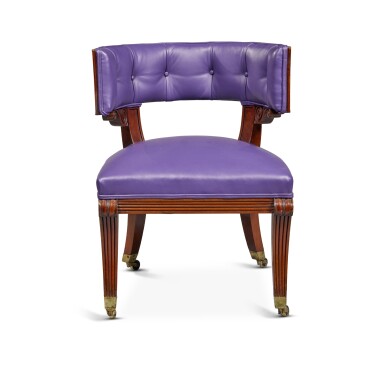
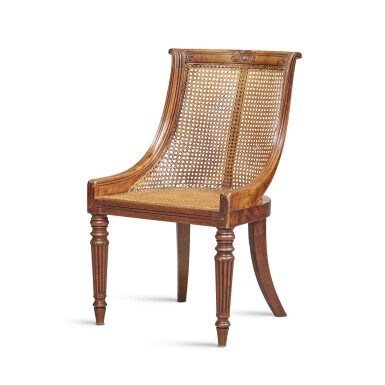
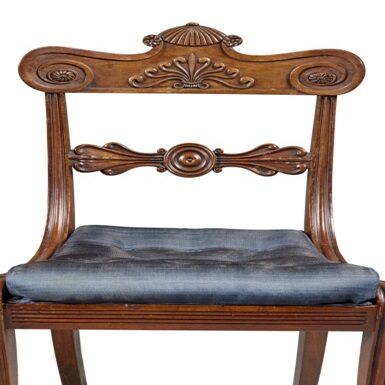
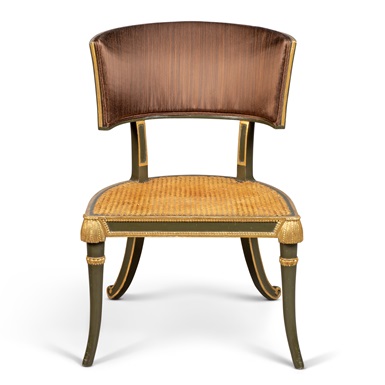
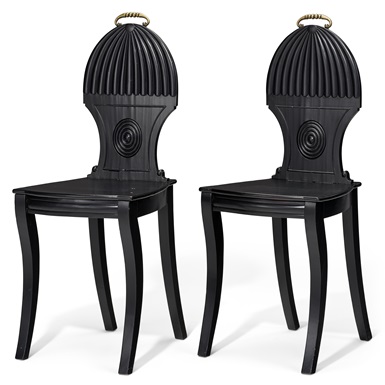
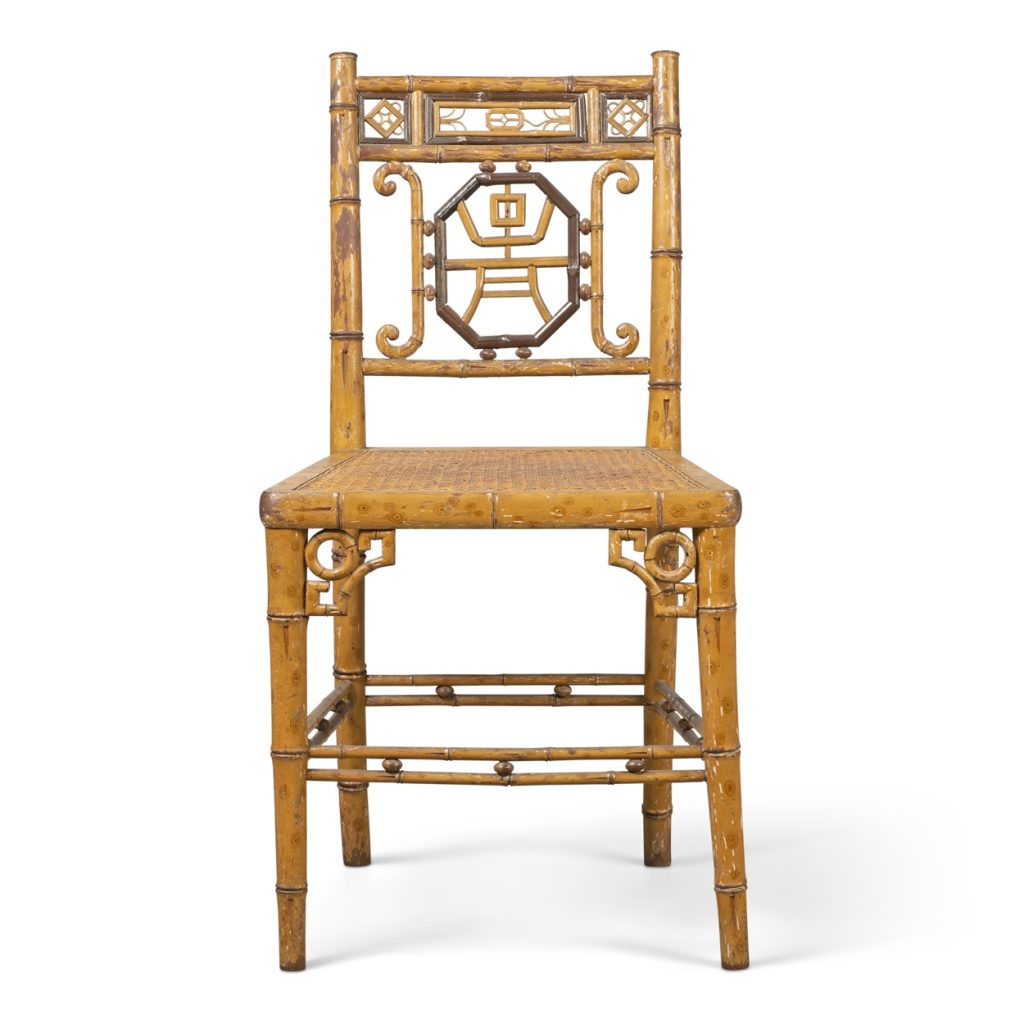
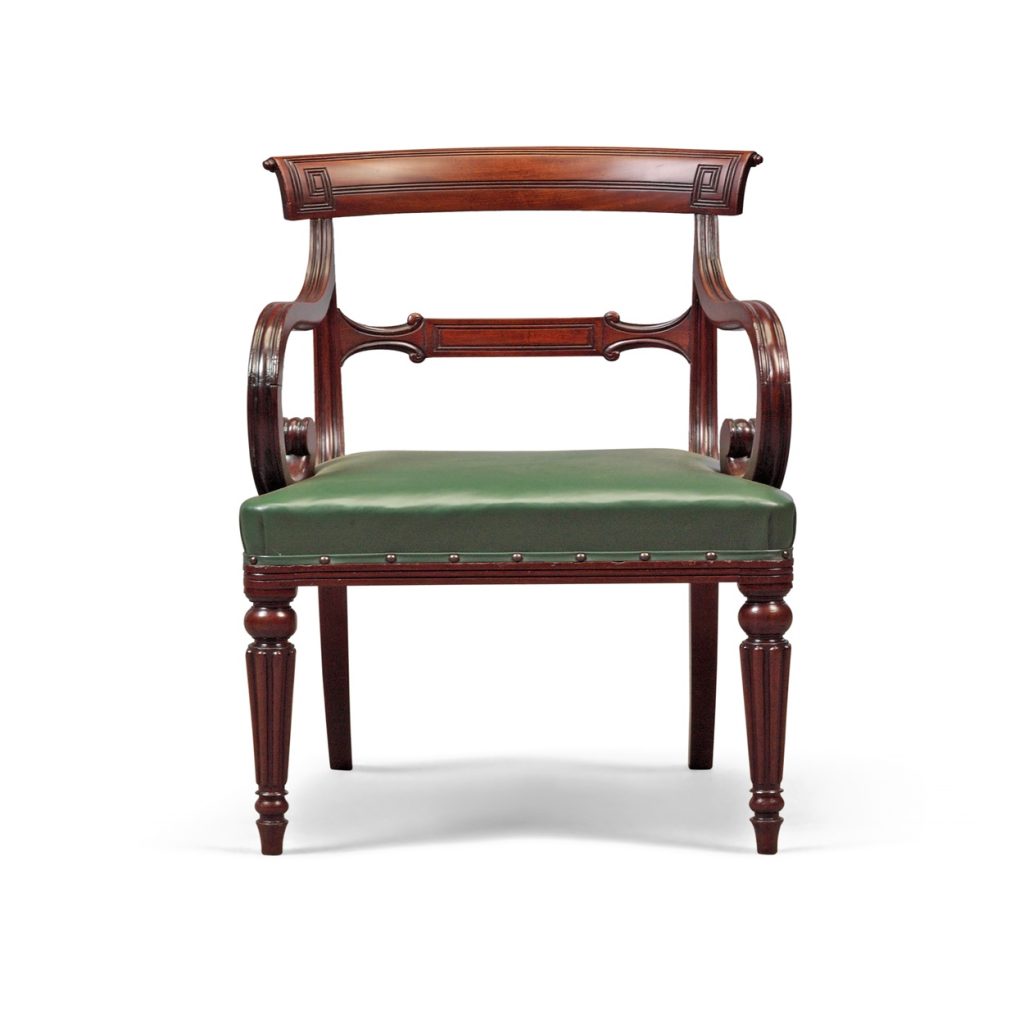
Regency chairs are a type of furniture that originated during the Regency era in early 19th-century England. The Regency era, which spanned from 1811 to 1820, was named after the period when King George III was deemed unfit to rule, and his son, the future King George IV, served as Prince Regent.
The design of Regency furniture, including chairs, was influenced by the Neoclassical style that emerged in the late 18th century. Neoclassicism drew inspiration from classical Greek and Roman art and architecture, emphasizing clean lines, geometric shapes, and a sense of proportion and symmetry. Regency furniture designers incorporated these Neoclassical elements into their creations, producing elegant and refined pieces that reflected the tastes of the time.
Key characteristics of Regency chairs include:
Elegance and Simplicity: Regency chairs are known for their simple yet elegant designs. They often feature straight lines, graceful curves, and minimal ornamentation.
Fine Materials: High-quality materials such as mahogany, rosewood, and ebony were commonly used in crafting Regency furniture. The use of fine woods contributed to the durability and luxurious appearance of these chairs.
Influence of Ancient Greece and Rome: Neoclassical design principles were evident in the use of classical motifs such as columns, Greek key patterns, and classical figures. These elements added a sense of sophistication to Regency chairs.
Upholstery: Regency chairs often featured upholstery in luxurious fabrics like silk or damask. The upholstery was carefully chosen to complement the overall design and enhance the comfort of the chair.
Gilded Accents: Some Regency chairs were adorned with gilded accents, adding a touch of opulence to the furniture. Gilding was applied to decorative elements such as finials, rosettes, or carved details.
The popularity of Regency furniture extended beyond England, influencing design trends in Europe and North America. The Regency style also had a lasting impact on subsequent design movements, and echoes of its aesthetic can be seen in various revival styles throughout the 19th and 20th centuries.
Today, antique Regency chairs are sought after by collectors and enthusiasts who appreciate the timeless elegance and craftsmanship of this distinctive furniture style. Additionally, modern furniture designers often draw inspiration from the Regency era, creating contemporary pieces that pay homage to the classic designs of the early 19th century.