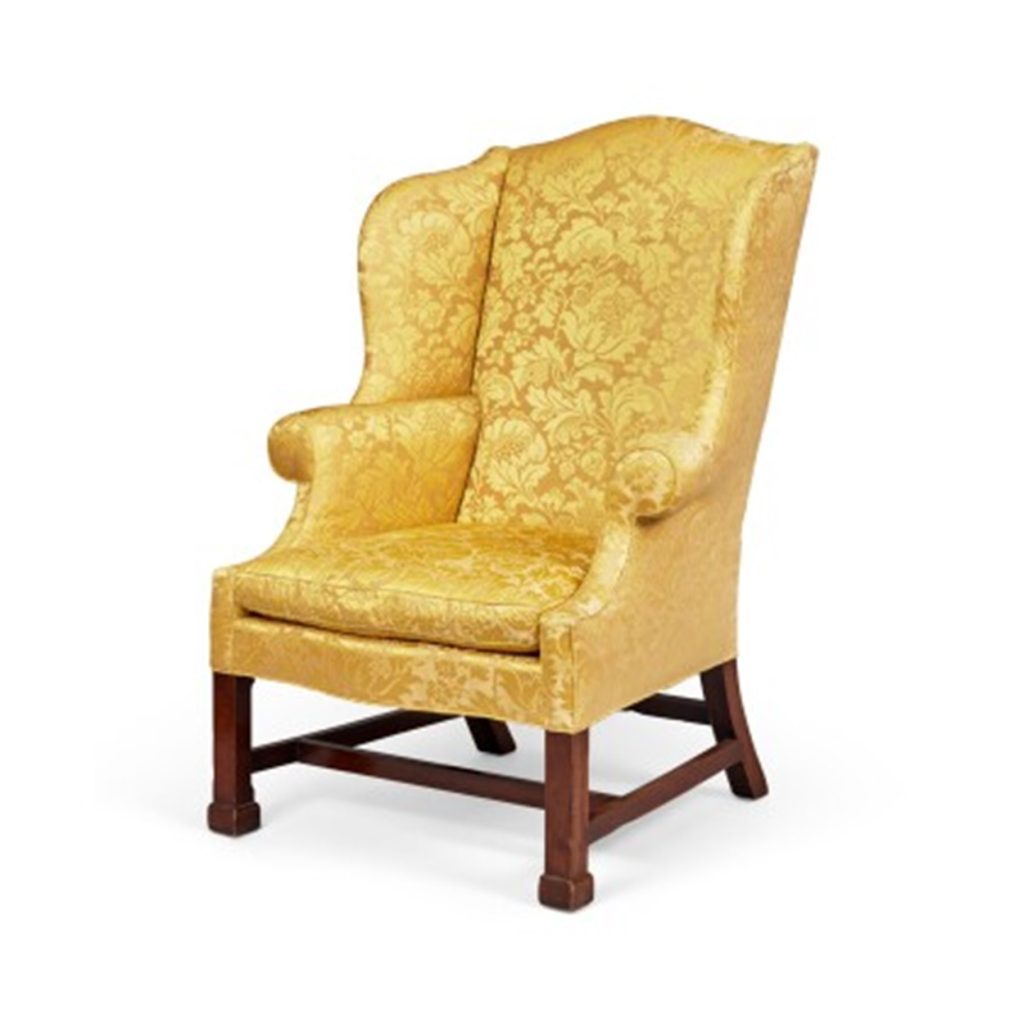
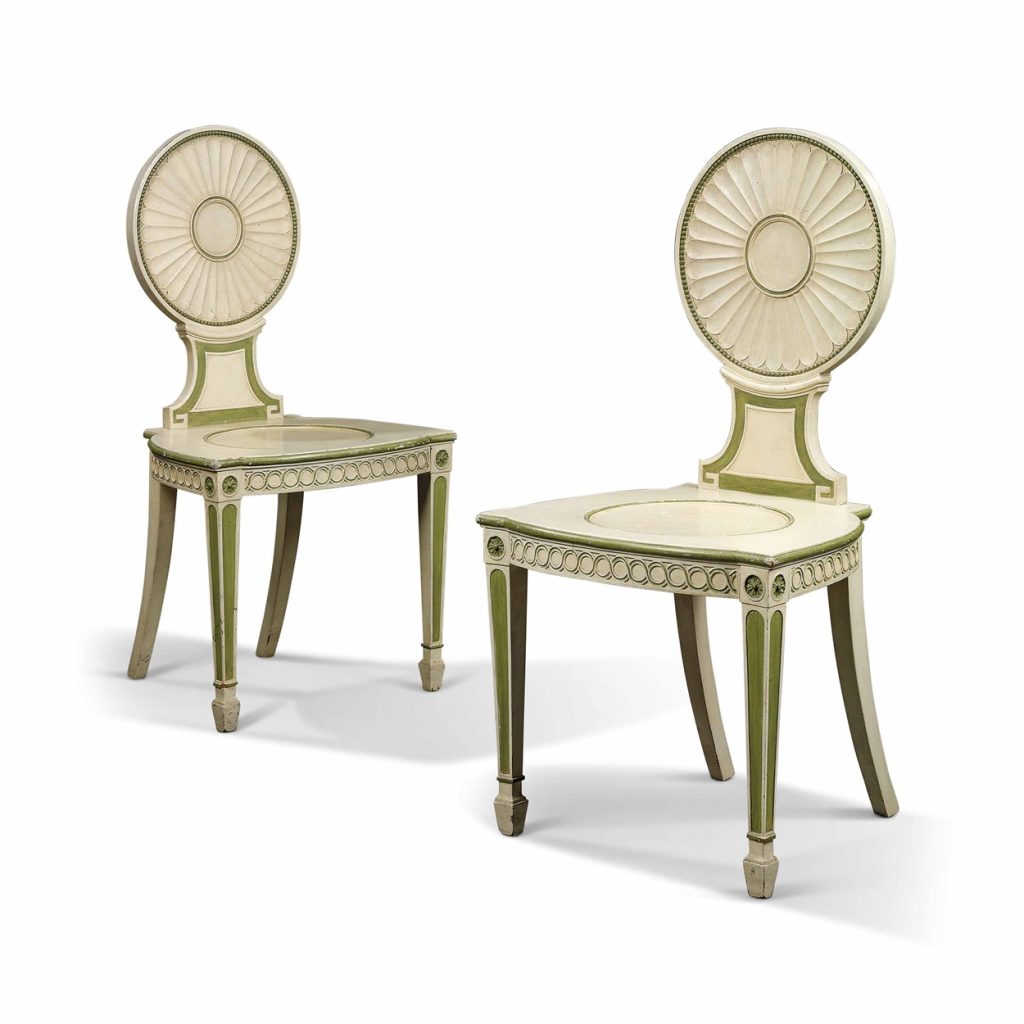
Chippendale chairs and provincial chairs are both important elements in the history of furniture design, each with its own distinct characteristics and influences. Let’s explore the history of Chippendale and provincial chairs separately:
Chippendale Chairs:
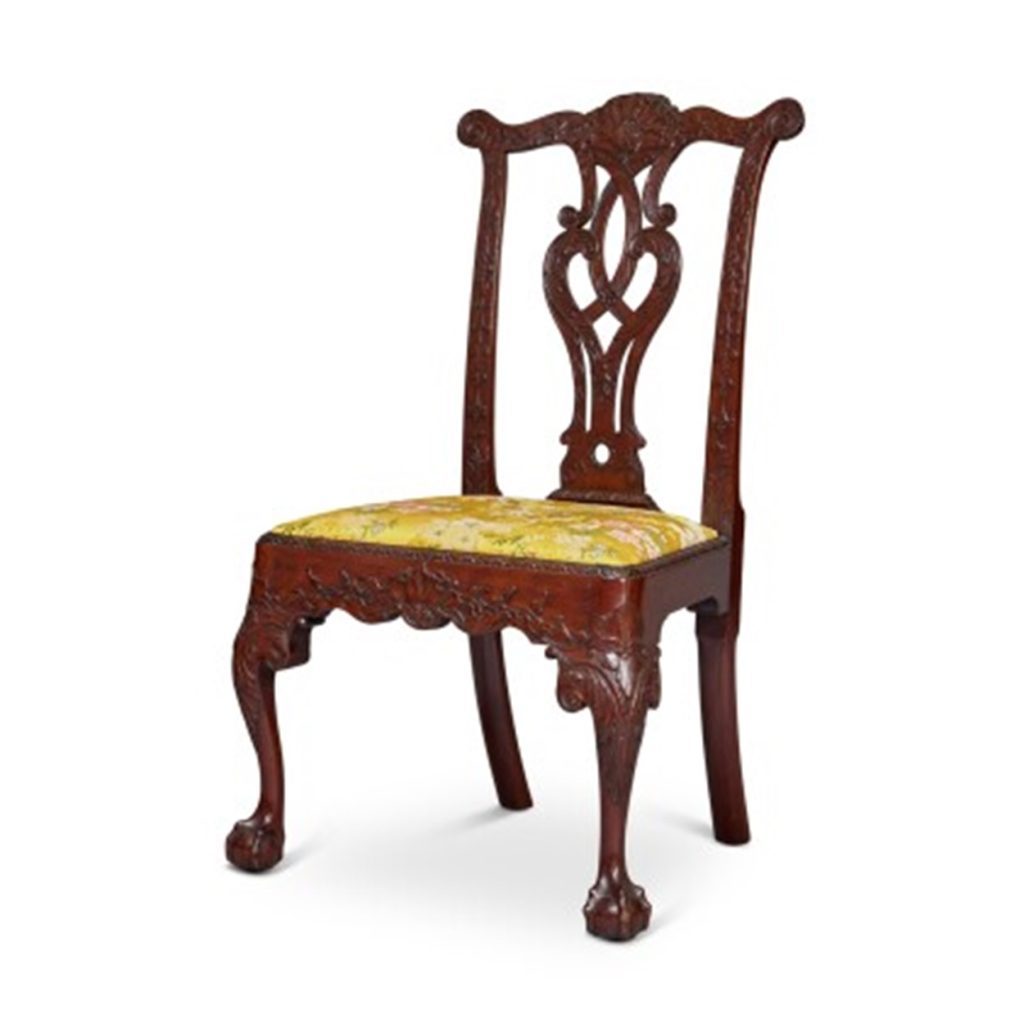
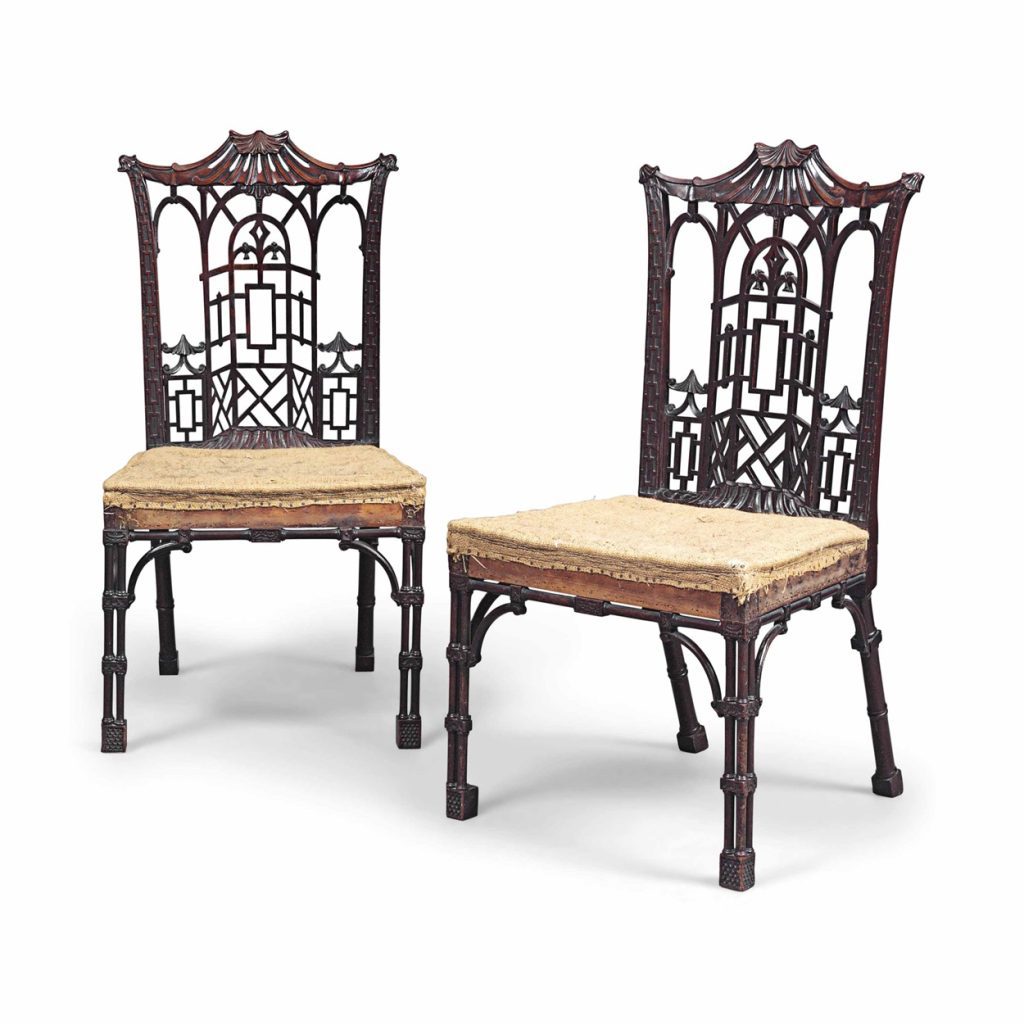
1. Thomas Chippendale (1718-1779): Thomas Chippendale was an English cabinet-maker and furniture designer who gained prominence in the mid-18th century. He published a book titled “The Gentleman and Cabinet Maker’s Director” in 1754, which showcased his designs and contributed significantly to the popularization of his furniture style.
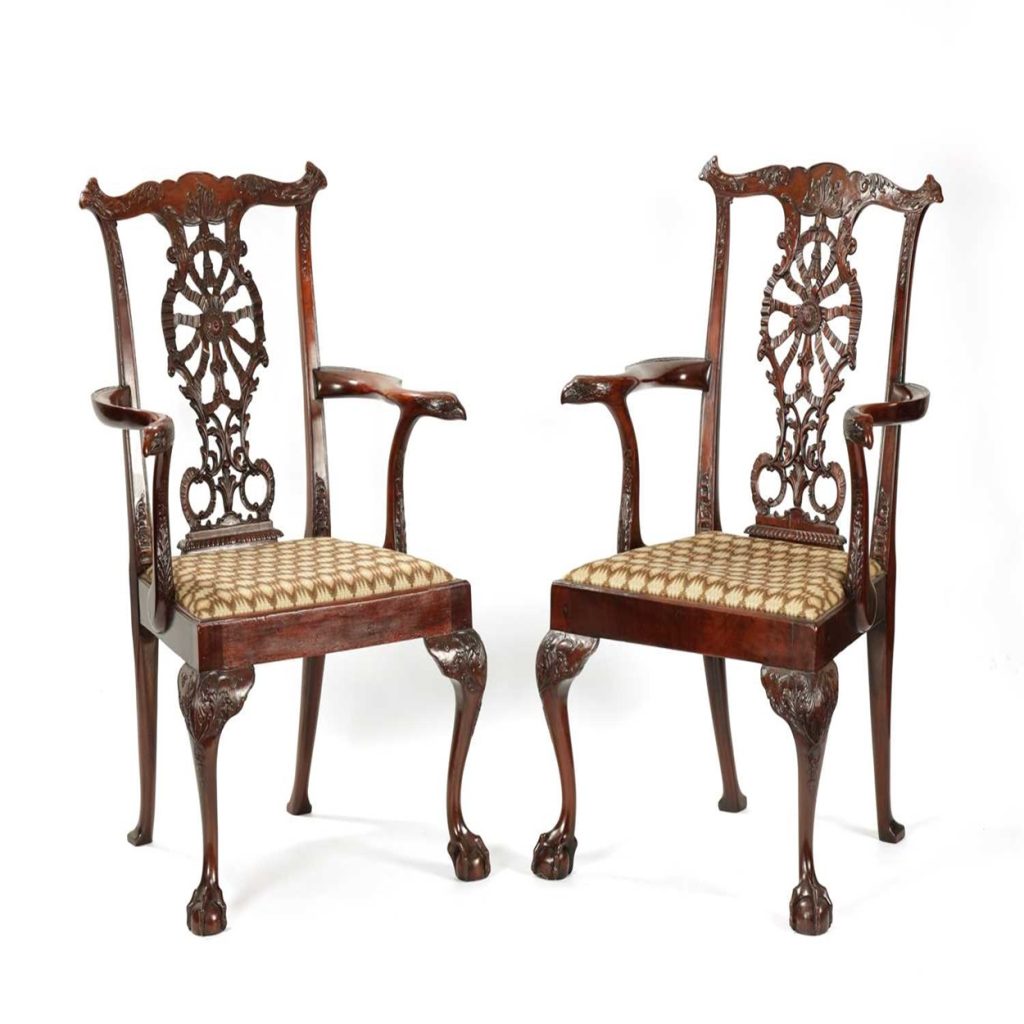
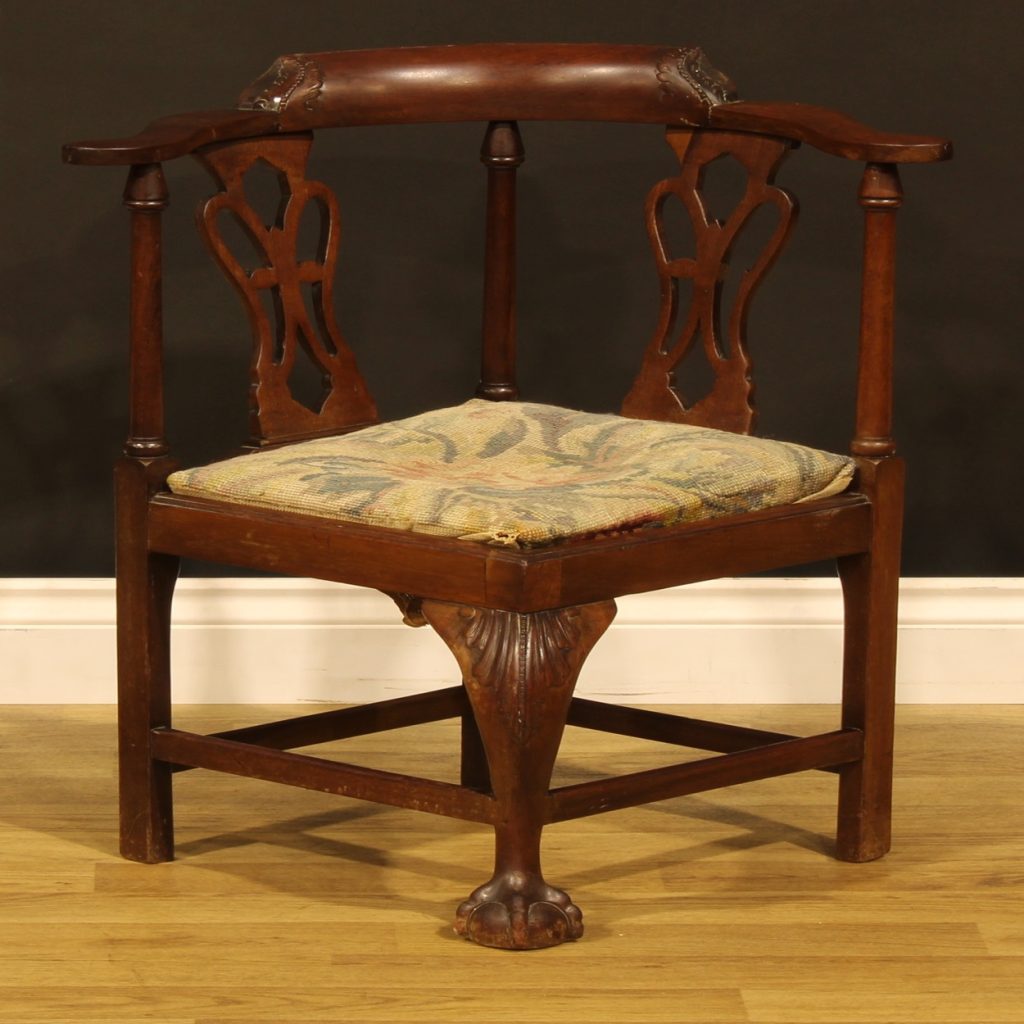
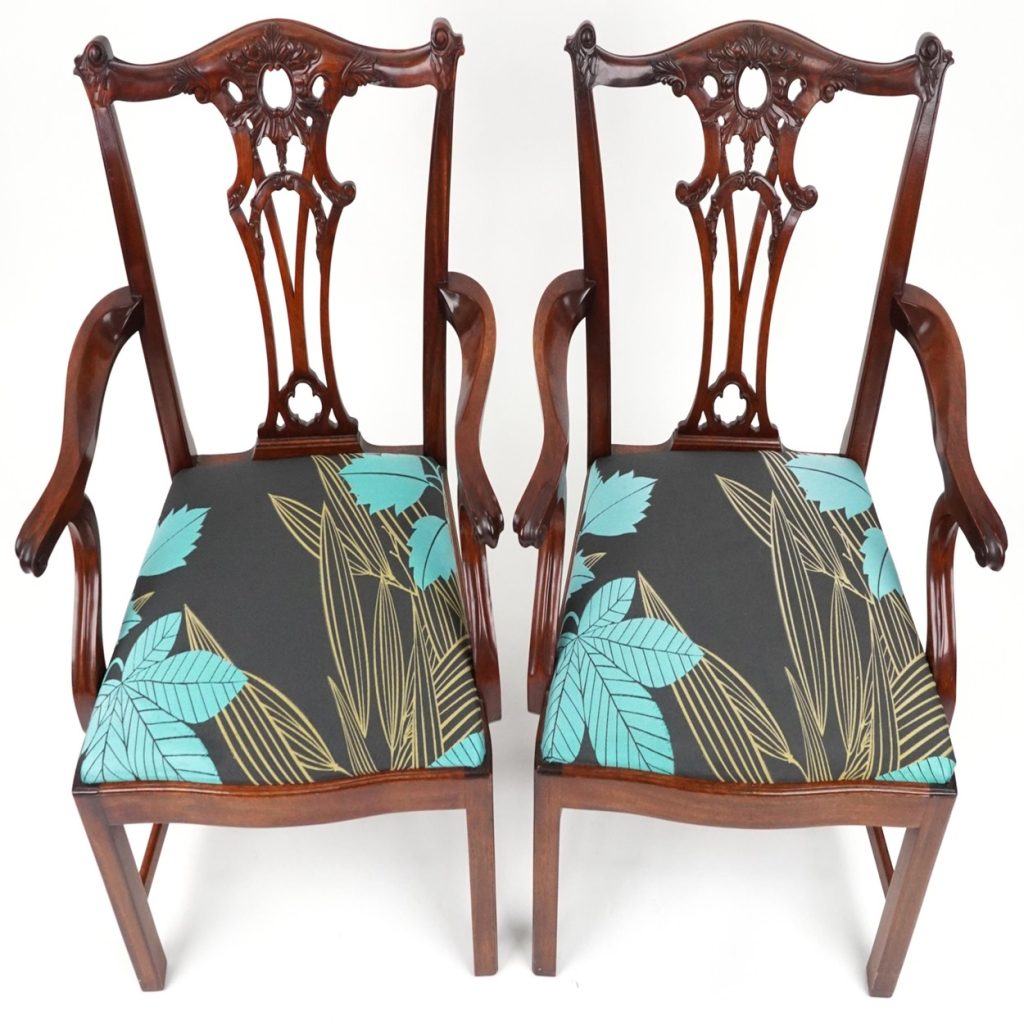
2. Chippendale Style: The Chippendale style is characterized by a blend of influences, including English, Chinese, and Gothic design elements. Chippendale chairs often feature intricate and ornate carvings, delicate curves, and fine craftsmanship. The legs of Chippendale chairs can be cabriole (curved), and the backs might have a pierced splat or be adorned with intricate carvings.
3. Evolution of Styles: Chippendale’s designs evolved over time, and his influence extended beyond England to the American colonies. In America, Chippendale-style furniture became popular during the 18th century, with local adaptations and variations.
Provincial Chairs:
1. Definition: “Provincial” refers to furniture styles that are associated with a particular region or province. Provincial chairs encompass a variety of designs influenced by the local craftsmanship, materials, and traditions of a specific area.
2. Regional Variations: The term “provincial” can be applied to chairs from various regions, such as French Provincial chairs or English Provincial chairs. Each region has its own distinctive features. For example, French Provincial chairs may have a rustic, country feel, with simple lines and natural materials.
3. Materials and Craftsmanship: Provincial chairs often reflect the local availability of materials and the craftsmanship prevalent in a specific area. These chairs may be made from locally sourced wood and adorned with regional motifs or carvings.
4. Time Periods: Provincial chairs can span various historical periods, depending on the region and its historical development. They may reflect influences from earlier styles or showcase a blend of different design elements.
In summary, Chippendale chairs are representative of a specific style popularized by Thomas Chippendale in the 18th century, known for its ornate and varied designs. Provincial chairs, on the other hand, encompass a broader category that includes various regional styles, reflecting local traditions and craftsmanship. Both types of chairs offer unique insights into the cultural and design history of their respective periods and regions.