
The history of 17th-century Anglo-Dutch design chairs
intertwined with the political, economic, and cultural interactions between England (later Great Britain) and the Dutch Republic during this period. This era, often referred to as the Dutch Golden Age (roughly spanning the 17th century), witnessed significant developments in trade, commerce, arts, and design.
Trade and Cultural Exchange:
- The 17th century saw a flourishing trade relationship between England and the Dutch Republic. This economic prosperity had a profound impact on the arts and design, including furniture.
Influence of Dutch Design:
- Dutch furniture of the time was characterized by a practical and functional approach. Dutch craftsmen were known for their skill in woodworking, and their designs often reflected a simplicity and elegance. These characteristics influenced the development of furniture design in England.
Jacobean and Carolean Styles in England:
- In England, the early 17th century (Jacobean era) and the mid-17th century (Carolean era) witnessed distinct furniture styles. Jacobean furniture was characterized by heavy, geometric designs, while Carolean furniture embraced more elaborate and decorative features.
The Impact of William of Orange:
- The Glorious Revolution of 1688, which brought William of Orange to the English throne, further strengthened ties between England and the Dutch Republic. This had cultural implications, including the exchange of design influences.
Chairs of the Period:
- Chairs from this era were often made of oak or walnut. Dutch influence can be seen in the simplicity of design and practicality, with straight legs and geometric shapes. Carved details and upholstery became more elaborate over time.
Influence of Craftsmen:
- Skilled craftsmen and furniture makers played a crucial role in shaping the designs of chairs during this period. Notable craftsmen contributed to the fusion of Anglo-Dutch styles.
Development of New Techniques:
- Advancements in woodworking techniques, joinery, and upholstery contributed to the evolution of chair design. The use of cane, leather, and textiles for upholstery became more prevalent.
Legacy and Heritage:
- The legacy of 17th-century Anglo-Dutch design can still be observed in antique furniture collections and historical homes. Many chairs from this period have become highly sought after by collectors and enthusiasts.
In summary, the history of 17th-century Anglo-Dutch design chairs reflects a dynamic interplay of cultural, economic, and political factors. The exchange of ideas and influences between England and the Dutch Republic during this time left a lasting impact on the evolution of furniture design, with chairs serving as tangible examples of this rich cultural interchange.
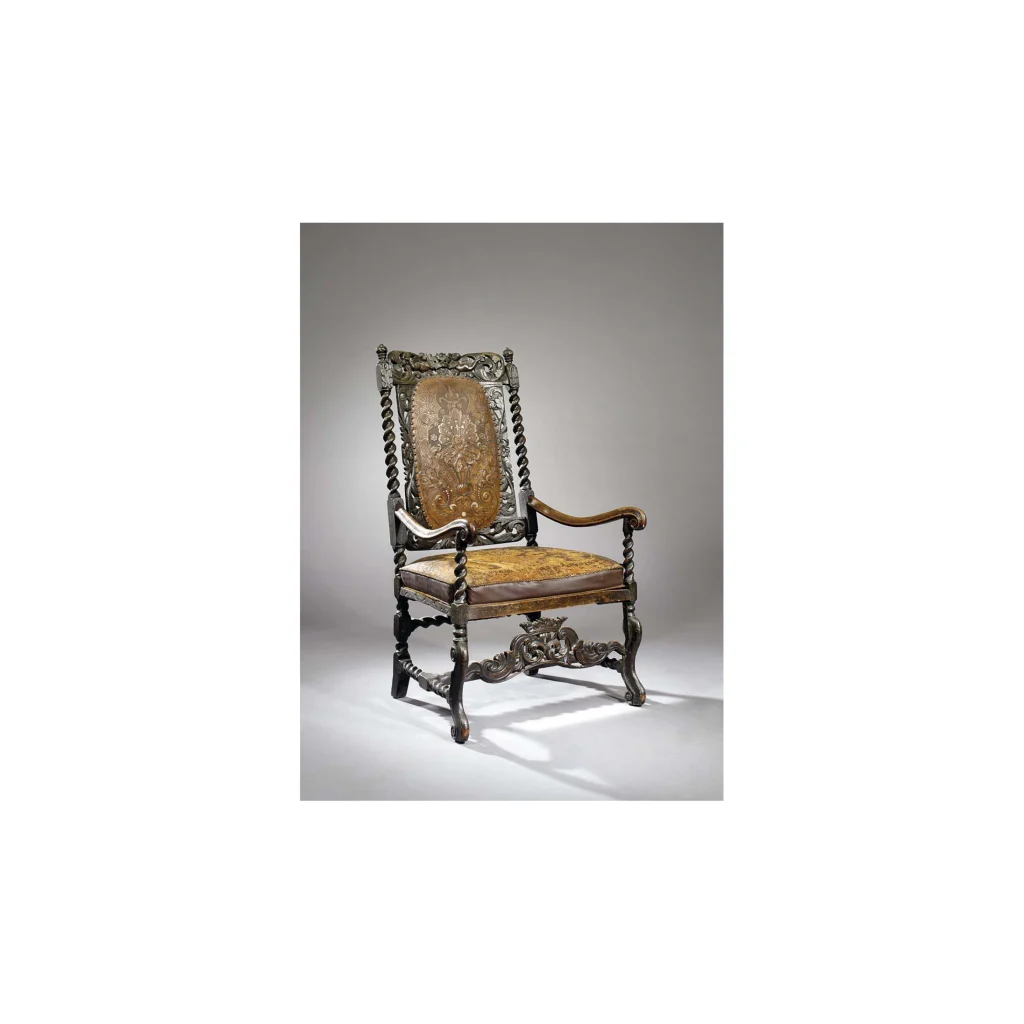
William and Mary walnut armchair circa 1690.
With down scrolling arms and caned seat, on carved scroll legs joined by an H-shaped stretcher, front with a crown carved and acanthus pierced stretcher, with later embossed leather upholstery

Early 18th-century Anglo-Dutch giltwood side chairs. Covered in floral cut velvet, on S-scroll legs joined by an X-stretcher on claw-and-ball feet,
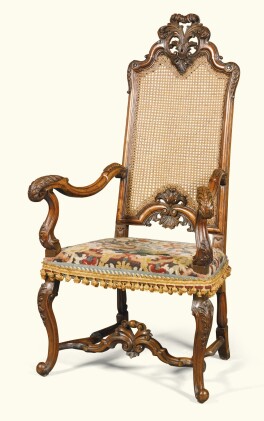
Early 18th century carved walnut armchair, the moulded caned back frame topped by the carved foliated element, with curved arm, supports carved with acanthus, the later gros-point upholstery seat above-carved cabriole legs joined by shaped stretch
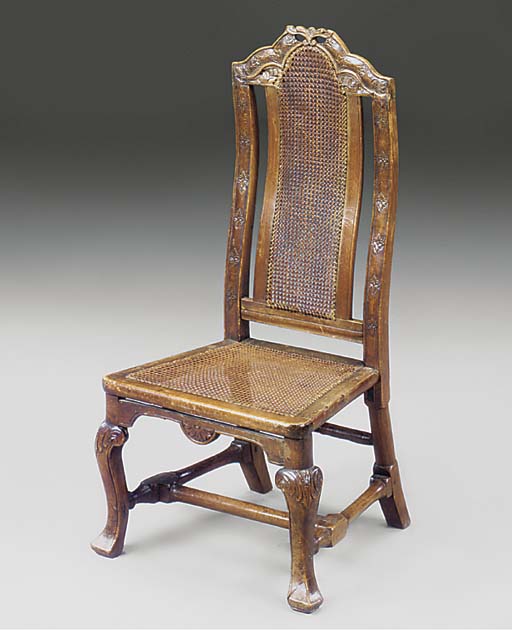
19th-century Anglo dutch child’s cane chair.
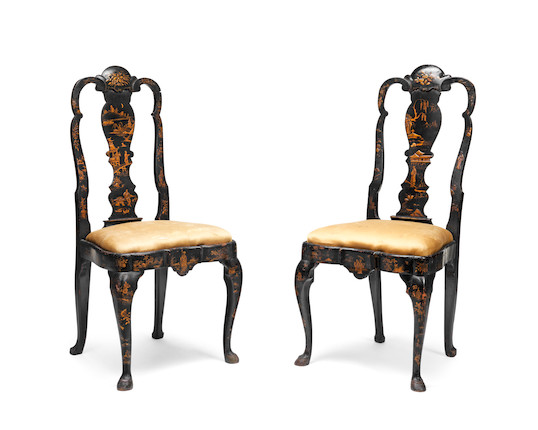
19th century Anglo dutch in the 18th century japanned.

Early 18th century anglo dutch polychrome and japanned side chairs.